

Sensory-Friendly Clothing for Autism: Comfort Meets Style
Last Updated: October 25, 2026
Quick Summary
Sensory friendly clothing for autism reduces tactile discomfort by eliminating irritants like itchy tags, restrictive seams, and rough fabrics, prioritizing soft materials and seamless construction. Research shows sensory-friendly clothing meaningfully affects participation, parental competence, and stress levels among autistic children and their families.
- The global sensory-friendly clothing market is projected to grow at 6.3% annually from 2025 to 2031.
- Four key elements matter: soft breathable materials, seamless or flat-seam construction, tag-free labels, and comfortable non-restrictive fits.
- Studies show autistic individuals prefer satin, denim, and cotton primarily for their softness.
- Ring-spun cotton feels smoother than standard cotton and lightweight fabrics breathe better for sensory comfort.
- Start by buying one piece and wearing it a full day to observe how it feels.
Table of Contents
- What Sensory-Friendly Clothing for Autism Means
- Sensory-Friendly Clothes for Kids: Playful and Comfortable
- Sensory-Friendly Clothing for Adults: Style Without Compromise
- How to Choose Sensory-Friendly Clothing: A Practical Checklist
- Frequently Asked Questions
What Sensory-Friendly Clothing for Autism Means
Sensory friendly clothing for autism reduces tactile discomfort by eliminating irritants like itchy tags, restrictive seams, and rough fabrics, prioritizing soft materials and seamless construction.
According to research on sensory garments and autism, sensory-friendly clothing can meaningfully affect participation, parental competence, and stress levels among autistic children and their families (Exploring Effects of Sensory Garments on Participation of Children on the Autism Spectrum). The global sensory-friendly clothing market is projected to grow at a compound annual growth rate of 6.3% from 2025 to 2031, reflecting growing demand for these specialized options.
At Michael's Special Treasures, we understand that sensory comfort isn't a luxury, it's foundational to thriving. We've built our clothing line around the principle that autistic individuals deserve garments that work WITH their sensory needs, not against them. What matters most is fabric choice, seam placement, and eliminating unnecessary irritants. Studies on fabric preferences in autism show that participants preferred satin, denim, and cotton primarily because of their softness, with satin being particularly favored.
Four elements matter most: soft, breathable materials; seamless or flat-seam construction; tag-free or tear-away labels; and comfortable, non-restrictive fits.
Sensory-Friendly Clothes for Kids: Playful and Comfortable
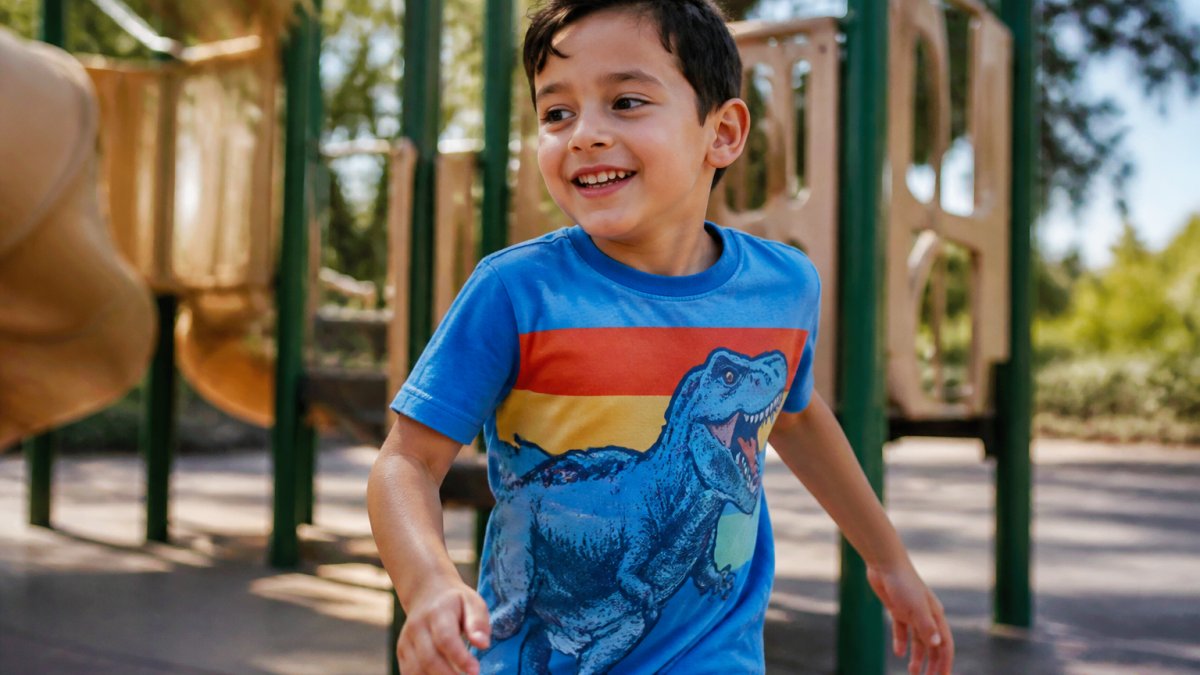
Kids need clothing that lets them move and play without sensory distress.
Our Just Let Me Stim Bro Smiley Checkerboard Sensory Shirt ($12.99) is soft midweight US cotton with tubular knit construction (zero side seams), a tear-away pearlized label, and a retro-skateboard graphic celebrating neurodiversity.

The Celebrate Minds of All Kinds Autism Awareness Rainbow Puzzle Tee ($12.99) is 100% midweight US cotton with no side seams and a ribbed collar gentle on sensitive skin.
The Rizz'em with the Tism Colorful Smiley Kids Graphic Tee ($12.99) features tubular knit, a tear-away label, DTF/DTG printing, and OEKO-TEX certification.
The I Am A Masterpiece Cotton Tee ($12.99) has no side seams, an elastic ribbed collar, and stabilized shoulder seams.
| Feature | Why It Matters | What to Look For |
|---|---|---|
| Seamless/flat-seam construction | Eliminates irritation from traditional side seams | Tubular knit or reinforced flat seams |
| Tear-away labels | Removes scratching at neckline | Pearlized, soft material that tears cleanly |
| Soft, breathable fabric | Prevents heat buildup and tactile discomfort | 100% cotton, midweight (not heavy or thin) |
| Durable printing | Graphic stays vibrant through washing | DTF/DTG certified with Oeko-Tex safety |
Sensory-Friendly Clothing for Adults: Style Without Compromise
Adults with sensory sensitivities need clothing that fits professional, social, and personal contexts, you can't pull out a fidget toy at a business meeting, but you can wear a shirt that eliminates scratchy seams.
The Autism Awareness T-Shirt with Puzzle Lips Design ($22.99) offers quiet advocacy: lightweight 100% ring-spun cotton with tubular knit construction (zero side seams) and a pearlized tear-away label.
The Autism Acceptance Periodic Table T-Shirt ($21.99) is 100% ring-spun cotton with a classic fit and crew neckline.

The Autism Seeing The World Differently T-Shirt ($19.53) uses premium ring-spun cotton and soft textile flex print in sizes XS to 3XL.
Kids Tee - "Just Let Me Stim Bro" Smiley Checkerboard Sensory Shirt →
| Clothing Type | Best For | Key Feature | Price |
|---|---|---|---|
| Puzzle Lips Tee | Quiet advocacy | Lightweight, seamless, tear-away label | $22.99 |
| Periodic Table Tee | Professional settings | Ring-spun cotton, classic fit | $21.99 |
| Seeing the World Differently Tee | Personal expression | Premium fabric, extended sizing | $19.53 |
Prioritize fit and fabric weight: ring-spun cotton feels smoother than standard cotton, and lightweight fabrics breathe better.
How to Choose Sensory-Friendly Clothing: A Practical Checklist
Use this framework when shopping for sensory friendly clothing for autism:
-
Assess the fabric. Cotton, bamboo, and modal are well-tolerated; avoid stiff synthetic blends unless tested.
-
Check seam placement. Look for tubular knit (no side seams) or reinforced flat seams.
-
Inspect the label. Tear-away labels are ideal; if stitched, check that it's soft and pearlized.
-
Evaluate the fit. It should allow movement without being baggy; restrictive waistbands and tight cuffs can trigger distress.
-
Test the closure. Buttons should be smooth and zippers should glide.
-
Consider the occasion. Kids' clothing can be playful; adult wear should balance comfort with context.
-
Start small. Buy one piece, wear it a full day, and observe.
Sensory-friendly clothing is about dignity and self-expression. When autistic individuals wear clothing that feels good instead of fighting sensory distress all day, they have energy for learning, working, connecting, and creating. Explore our sensory-friendly options and discover what works for you or the person you're supporting.
Frequently Asked Questions
What fabrics are most comfortable for autistic people?
Research shows autistic individuals often prefer soft, breathable materials. A 2021 study found participants preferred satin, denim, and cotton, primarily for their softness. Other consistently tolerable fabrics include organic cotton, bamboo, modal, and high-quality jersey knit. The key is avoiding rough textures, stiff materials, and anything that creates friction against the skin. Personal preferences vary, so testing different fabrics helps you find what works best for your sensory profile.
Why do some autistic people dislike certain clothes?
Sensory processing differences mean many autistic individuals experience tactile sensitivities more intensely than others. Rough seams, itchy tags, tight waistbands, and stiff fabrics can cause genuine discomfort or distraction. A 2022 study explored how sensory garments affected participation and stress levels, highlighting the real impact clothing choices have on daily functioning. Some people prefer snug-fitting clothing that covers arms and legs, while others need loose, unrestricted fits. Sensory discomfort isn't a preference, it's a neurological response.
Are tag-free and seamless clothes better for sensory sensitivities?
Yes. Tagless and seamless construction directly reduces tactile irritants that trigger discomfort for many autistic individuals. Tear-away labels and flat seams prevent the constant scratching and irritation that traditional tags and side seams create. However, sensory needs vary widely, while tagless and seamless features help most people, always verify they match your personal comfort profile. Michael's Special Treasures offers multiple options with these features built in, from the 'Just Let Me Stim Bro' tee with tubular knit construction to the 'Celebrate Minds of All Kinds' shirt with tear-away labels.
What should adults look for in sensory-friendly clothing?
Adults need sensory comfort without sacrificing professional appearance or personal style. Look for ring-spun cotton or bamboo blends, crew necklines, and lightweight fabrics that won't feel restrictive in work or social settings. Seek pieces with minimal visible seams, no internal tags, and breathable materials for all-day wear. The Autism Awareness T-Shirt with the Puzzle Lips design ($22.99) combines a meaningful message with lightweight cotton and tagless construction, ideal for advocacy events or everyday wear that reflects your identity.
